Understanding the Latest Trends in Medical Weight Loss


Introduction to Medical Weight Loss
In recent years, medical weight loss has gained significant attention as an effective approach to achieving and maintaining a healthy weight. Unlike traditional dieting, medical weight loss is a comprehensive, personalized plan supervised by healthcare professionals. This trend focuses on long-term success by addressing the root causes of weight gain.

Personalized Nutrition Plans
One of the key components of medical weight loss is the development of personalized nutrition plans. These plans are tailored to an individual's unique needs, taking into account factors such as metabolic rate, hormonal imbalances, and food sensitivities. By focusing on personalized nutrition, individuals can experience more effective and sustainable weight loss.
Nutritionists and dietitians work closely with patients to ensure their dietary needs are met. This approach helps in creating a balanced diet that supports weight loss while also promoting overall health.
Behavioral Therapy and Support
Another important trend in medical weight loss is the incorporation of behavioral therapy. Understanding and changing the psychological factors that contribute to weight gain is crucial for long-term success. Therapists and counselors provide support to help individuals develop healthier relationships with food and improve their self-esteem.

Advanced Medical Interventions
For those struggling with obesity, advanced medical interventions such as prescription medications or minimally invasive procedures may be recommended. These options are considered when traditional methods have not been effective. It's essential to note that such interventions are closely monitored by healthcare providers to ensure safety and effectiveness.
In some cases, bariatric surgery might be an option. This surgical procedure is designed for individuals with severe obesity and is accompanied by a comprehensive support program to ensure successful outcomes.
Technology and Monitoring
Technology plays a significant role in the latest trends in medical weight loss. Wearable devices and mobile apps allow individuals to monitor their progress in real-time. These tools provide valuable data on physical activity, calorie intake, and more, enabling healthcare providers to make necessary adjustments to treatment plans.
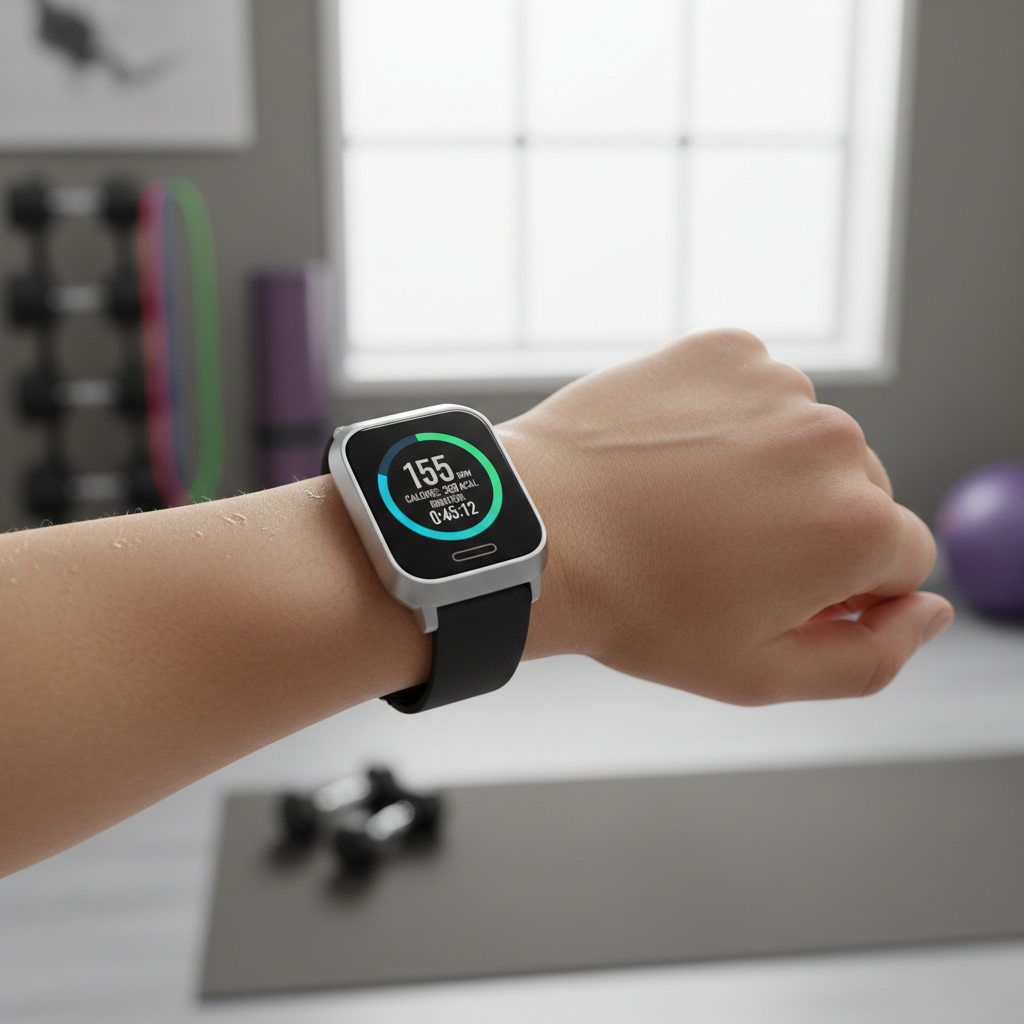
Additionally, virtual consultations have become increasingly popular, offering patients the convenience of professional guidance from the comfort of their own homes.
Emphasis on Holistic Health
Medical weight loss programs are increasingly focusing on holistic health. This approach considers not just physical factors but also mental and emotional well-being. By integrating stress management techniques, such as mindfulness and meditation, individuals are better equipped to handle life's challenges without turning to food as a coping mechanism.
Incorporating regular physical activity is also emphasized as part of a holistic approach. Exercise not only aids in weight loss but also enhances mood and energy levels.
Conclusion
The latest trends in medical weight loss highlight a shift towards a more comprehensive and personalized approach. By addressing the underlying causes of weight gain and supporting individuals with a range of tools and techniques, these programs offer a promising path to achieving lasting health and wellness. As technology and medical knowledge continue to evolve, the future of medical weight loss looks bright, providing hope and solutions for those seeking to improve their quality of life.